
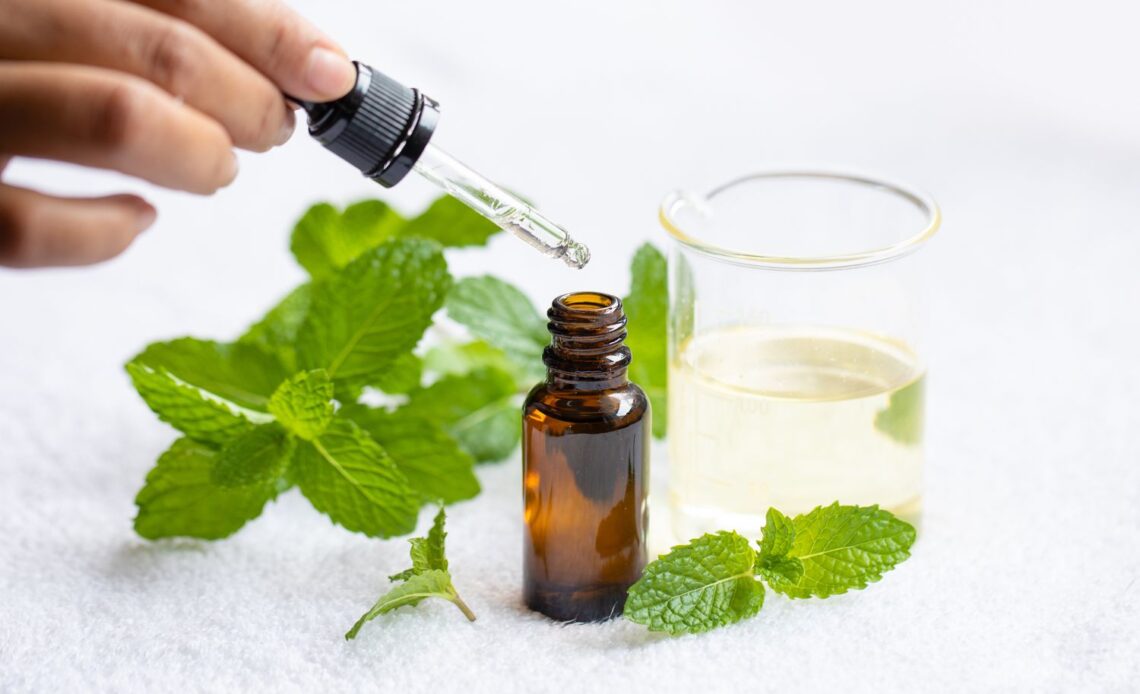
Yes—does peppermint oil repel bugs, but it’s not the universal insect force field the internet makes it out to be. It works well on some pests, like ants and spiders, has a limited effect on others, and does almost nothing against a full-blown infestation of bedbugs or roaches. Knowing which bugs it actually affects—and how to use it properly by diluting it into a spray—is what makes the difference between a useful home remedy and wasted effort.
Which Bugs Peppermint Oil Actually Repels
| Bug | Does It Work? | Notes |
|---|---|---|
| Spiders | ✅ Yes | Strong repellent – spiders hate the menthol |
| Ants | ✅ Yes | Disrupts scent trails; works as deterrent |
| Mice | ✅ Yes | Menthol irritates rodent nasal passages |
| Mosquitoes | ⚠️ Somewhat | Short-lived effect; needs reapplication |
| Aphids | ✅ Yes | Effective on plants when sprayed directly |
| Gnats | ⚠️ Somewhat | Helps deter; not a full solution |
| Cockroaches | ❌ Limited | May slow entry; won’t treat an infestation |
| Bed bugs | ❌ No | Not an effective treatment |
| Fleas | ⚠️ Mild | Very limited on established infestations |
| Flies | ⚠️ Somewhat | Deters temporarily |
Why It Works – The Science
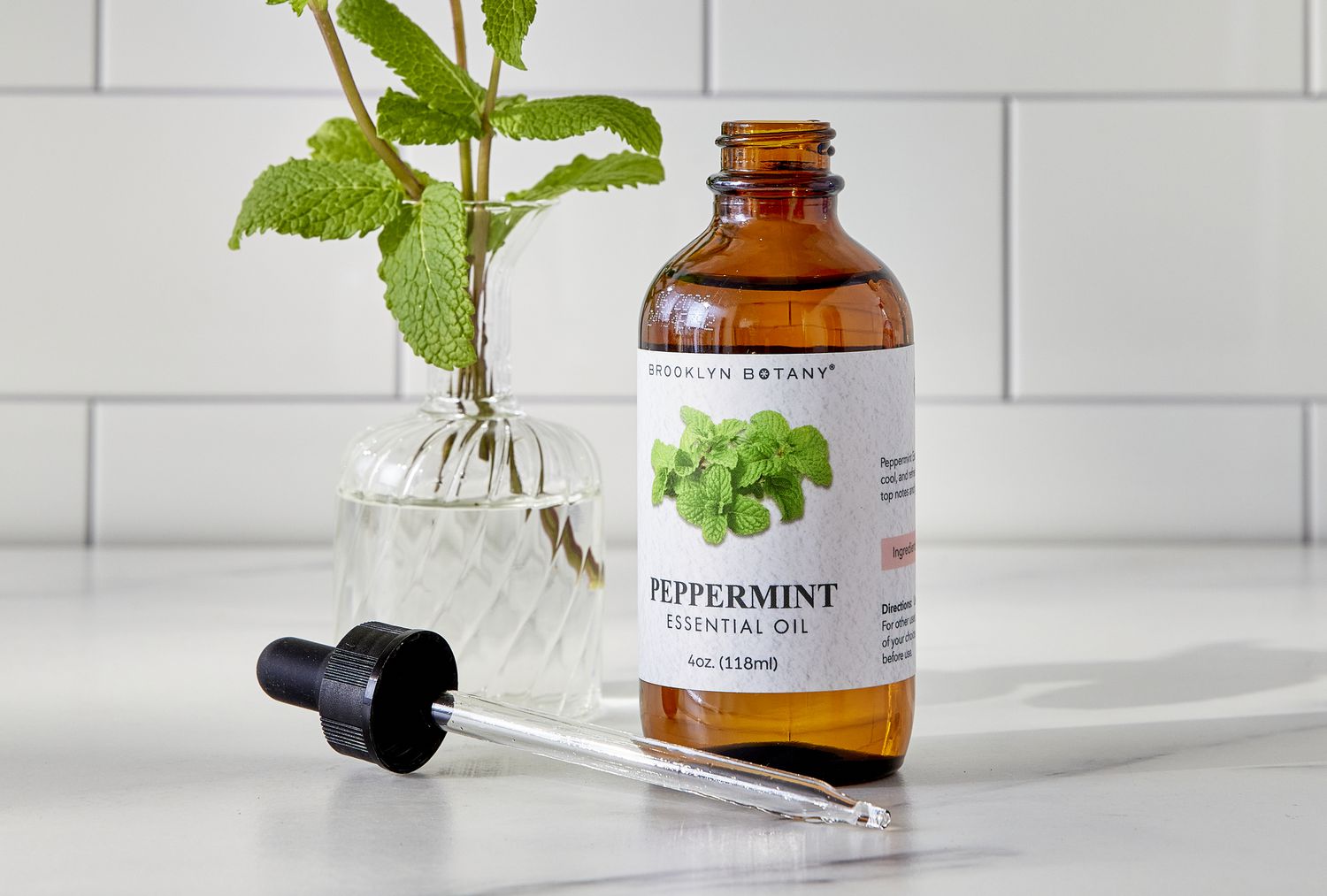
Peppermint oil contains menthol and menthone, which are volatile compounds that overwhelm the sensory receptors of many insects. Spiders are particularly sensitive to it because they “taste” and smell through their legs – walking across a peppermint-treated surface is deeply unpleasant for them.
For ants, peppermint disrupts the pheromone trails they use to navigate. Without those trails, they lose their way back to food sources.
The effect is real but temporary. The scent dissipates, especially indoors with air circulation or heat, requiring regular reapplication.
How to Use Peppermint Oil for Bugs
Basic Spray
Mix 10-15 drops of pure peppermint essential oil with 1 cup of water in a spray bottle. Shake well before each use.
Spray around:
- Window sills and door frames
- Entry points and gaps in walls
- Under sinks and cabinet bases
- Corners and baseboards
Reapply every 5-7 days or after cleaning.
Cotton Ball Method
Soak cotton balls in undiluted peppermint oil. Place them in areas where bugs enter – behind appliances, in corners, inside cabinet doors.
Replace every 2-3 weeks as the scent fades.
For Outdoor Plants (Aphids)
Mix 5 drops peppermint oil + a few drops of dish soap + 1 cup water. Spray directly on plant leaves, focusing on undersides where aphids cluster.
Important Limitations to Know
It won’t solve an existing infestation. If you already have ants marching through your kitchen or spiders setting up colonies, peppermint oil will not eliminate them. It’s a deterrent, not a killer.
Concentration matters. Diluted oil loses effectiveness quickly. Many commercial “peppermint sprays” are so weak they do essentially nothing.
It’s not safe for pets. Peppermint oil is toxic to cats and dogs – it can cause liver damage and respiratory distress. Don’t use it in areas your pets frequent, and never apply it directly to pets.
Indoor air conditions affect it. In a well-ventilated room or during hot weather, the scent dissipates faster and you’ll need to reapply more frequently.
Best Used As Prevention, Not Treatment
The most effective way to use peppermint oil to repel bugs is as a preventive measure – sealing entry points with treated areas before bugs arrive, rather than trying to drive out an existing problem.
Pair it with:
- Sealing cracks and gaps around windows and doors
- Keeping food sealed and surfaces clean
- Eliminating moisture sources for ants and roaches
Used consistently and correctly, peppermint oil is a legitimate, chemical-free tool for keeping certain pests away. Just go in with realistic expectations – it’s a deterrent for some bugs, not a solution for all of them.