
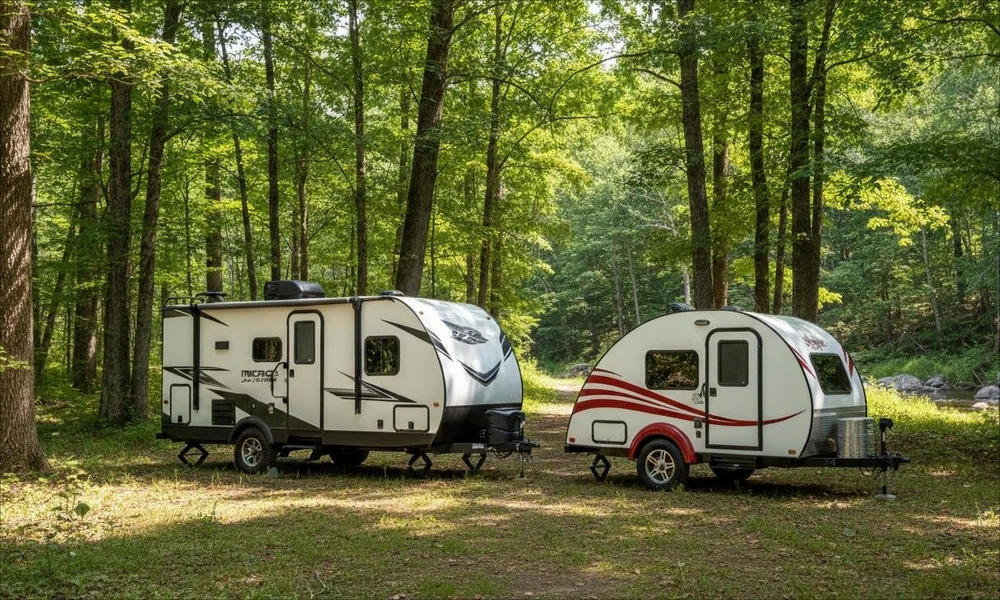
A travel trailer is a big purchase, so the best choice should feel practical long after the first trip. Price matters, but value comes from the build, layout, tow match, and features that hold up at camp. The campgrounds can include state parks, lake sites, wooded pads, and longer rural routes. The right trailer should fit the budget, the tow vehicle, and the way each trip is likely to work.
Compare Size, Weight, and Real Campsite Fit
When buyers browse travel trailers and motorhomes, overall length, dry weight, GVWR, and hitch weight should be checked early. A trailer that fits common campground pad limits can save stress during arrival. It can also reduce the need for tight turns or complex site setup.
A compact trailer may offer strong value for couples or small families. A larger trailer may make sense when extra bunks, a full bath, or more storage are needed. The key is to avoid paying for space that will sit unused. A good match feels useful at camp and steady on the road.
Look at Construction Before Decor
Interior style can catch attention fast, but structure has lasting importance. Roof material, wall build, frame design, seals, and underbelly protection should all be part of the review. Heat, rain, and shaded camp areas can test a trailer over time. A solid build helps protect the RV’s value.
Appliances and fixtures also deserve a close look. Check the refrigerator type, water heater, furnace, air conditioner, and power outlets. A low price may not feel like a deal if core parts feel weak. Strong basic systems often matter the most.
Match Features With Campground Use
The best travel trailer is not always the one with the longest feature list. It is the one with features that support real camp habits. Buyers who compare specs can often spot better value than buyers who focus only on looks. That small shift can lead to a smarter RV purchase.
Technical Details Worth Checking
These features can affect comfort, cost, and ease of use:
- Fresh, gray, and black tank capacity
- Cargo carrying capacity after gear is added
- Solar prep or installed solar panels
- Tire rating, axle rating, and brakes
- Insulation level and air conditioner size
These items may sound basic, but they shape daily use at camp. Better tank capacity can help at sites with limited hookups. Solar prep can add value for trips away from full-service pads. Strong tires and brakes also support safer travel between campgrounds.
Think About Layout as a Value Feature
A smart floor plan can make a modest trailer feel more useful. Walk space, bed access, counter space, and storage all affect daily comfort. A trailer with a simple layout may serve better than a larger RV with wasted corners. Value often comes from usable space, not just square footage.
Families may need bunks, a dinette, and a bath with easy access. Couples may prefer a front bedroom, rear lounge, or more kitchen space. When buyers browse travel trailers and motorhomes, the layout should be compared with the trip length and group size. The best plan should reduce clutter and make camp routines feel natural.
The best travel trailer for campgrounds should balance cost, features, and real use. Start with tow ratings, then compare build quality, tank size, cargo capacity, layout, and service needs. A good RV does not need to be the largest or most loaded option. It should offer steady value, practical comfort, and confidence every time it leaves the driveway.