
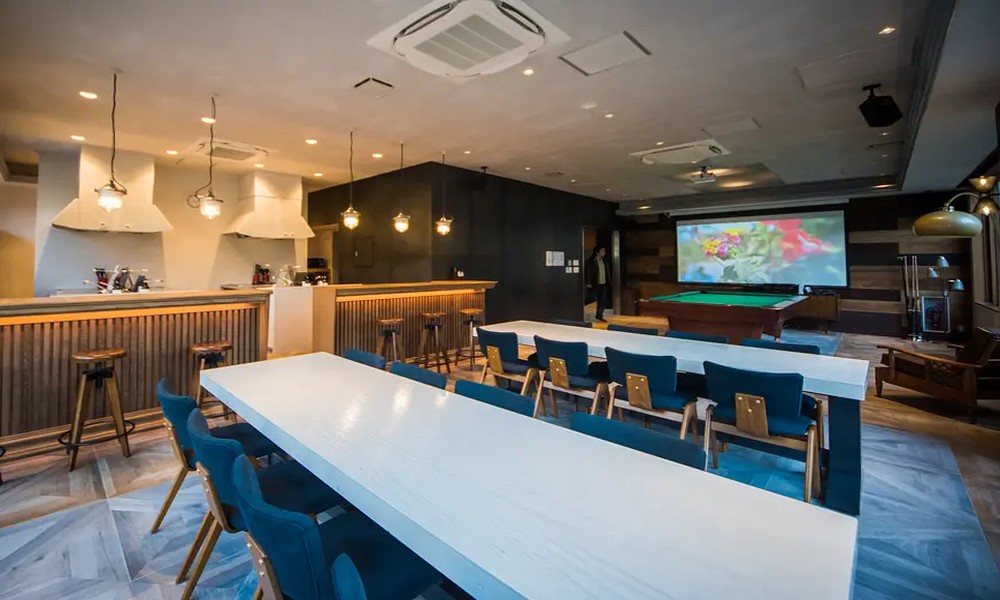
City living often feels crowded when daily needs stay far from personal routines. Modern housing choices now support better space planning through organized layouts, practical surroundings, and shared activity zones. Many residents prefer locations that combine transport convenience, quiet evenings, nearby services, and flexible daily schedules. Several urban districts continue attracting working adult students and small families seeking stable living patterns. Within this growing preference, furnished apartments in Koto City (家電付き 物件 江東区) provide suitable arrangements for practical indoor living community interaction and nearby recreation options. Organized streets, public transport, nearby retail facilities, and open walking areas also help residents maintain steady personal routines across changing schedules.
Urban Layout Supporting Daily Stability
Well planned surroundings improve movement between work locations, study centers, retail areas, and public transport routes. Open walking paths, shared lounges, and nearby facilities encourage regular interaction without creating crowded surroundings. Residents often prefer areas where daily schedules remain manageable throughout busy weekdays.
Shared Living Patterns Encouraging Local Interaction
Modern housing choices often support communication through lounges, rooftop seating, common activity corners, and indoor meeting spaces. These arrangements allow residents to maintain personal privacy while staying socially connected nearby.
Organized Indoor Arrangements Supporting Simple Routines
Carefully arranged interiors reduce household pressure during busy personal schedules. Residents often select practical spaces because furniture, utility systems, and storage arrangements are prepared before arrival. Such planning creates manageable living patterns for long term settlement choices.
• Spacious layouts support smooth movement across different indoor household activities
• Nearby retail centers reduce unnecessary travel during weekly household shopping schedules
• Shared meeting areas encourage relaxed communication among nearby residential occupants
• Public transport routes support easier office attendance during crowded weekday mornings
• Organized storage sections improve room cleanliness across limited indoor residential spaces
• Walking paths nearby support evening outdoor movement after regular office routines
• Prepared utility systems reduce early relocation pressure for incoming residential occupants
• Open seating corners support casual interaction during weekend residential community gatherings
Neighbourhood Movement Creating Practical Urban Habits
Residents living near transport lines often maintain better schedule management during working days. Organized streets near service centers, public parks, and walking areas also support balanced personal routines. Housing areas connected with public facilities usually attract people seeking practical urban settlement choices. Simple environmental planning helps residents avoid unnecessary movement during daily activities.
| Residential Feature | Purpose for Residents | Daily Value |
|---|---|---|
| Shared seating corners | Supports social communication | Builds local familiarity |
| Nearby transit stations | Reduces commuting pressure | Saves travel time |
| Furnished interiors | Simplifies relocation process | Supports immediate settlement |
| Walking friendly streets | Encourages outdoor movement | Supports regular routines |
| Community activity rooms | Allows resident gatherings | Improves interaction |
Which Residential Features Support Social Connectivity?
Several housing communities now focus on improving interaction between residents through practical shared surroundings. Indoor meeting sections, rooftop seating, reading corners, and small gathering zones encourage regular communication across different age groups.
Organized property layouts improve privacy while still allowing community interaction during suitable occasions. Many occupants appreciate environments where individual routines remain undisturbed yet social opportunities stay available nearby. Around central urban districts, furnished apartments in Koto City (家電付き 物件 江東区) continue attracting people seeking balanced indoor living, community communication, accessible transportation routes, and nearby public facilities supporting long-term settlement preferences.
Steady Living Choices Supporting Long Term Balance
Urban housing decisions often depend on routine stability, practical surroundings, reliable transport, and public services nearby. Residents usually prefer areas supporting manageable movement, organized interiors, community communication, and flexible schedules throughout changing personal responsibilities. Suitable housing arrangements encourage better consistency through practical planning rather than excessive residential complexity.